


CBD for Dogs With Arthritis: What Research Says About Joint Comfort & Mobility
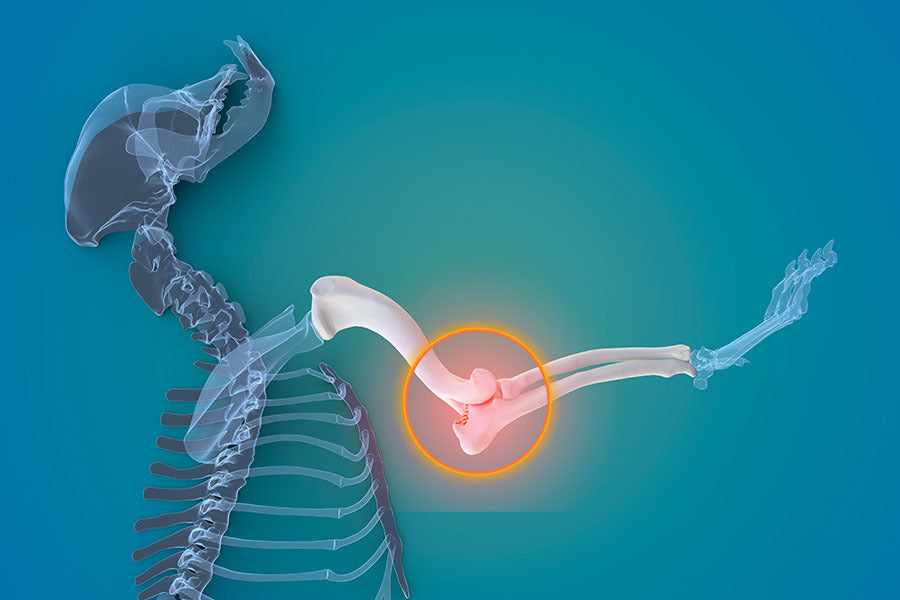
Watching a dog slow down can be difficult.
Maybe they hesitate before jumping into the car. Getting up after a nap takes a little longer. The walks become shorter, or stairs suddenly seem like more work than they used to.
For many dogs, especially as they get older, changes like these can be associated with osteoarthritis and declining joint comfort.
As CBD has become more widely used in pet wellness, researchers have begun asking an important question:
Could CBD have a role in supporting comfort and mobility in dogs with osteoarthritis?
Canine osteoarthritis is actually one of the most studied areas of veterinary CBD research, and several controlled clinical trials have produced encouraging results.
The science is not settled, but we know considerably more today than we did just a few years ago.
What Is Osteoarthritis in Dogs?
Osteoarthritis, often called OA, is a chronic degenerative joint disease.
Inside a healthy joint, cartilage helps cushion the bones and allows smooth movement. With osteoarthritis, changes within the joint can lead to:
- Pain and stiffness
- Inflammation
- Reduced range of motion
- Difficulty getting up
- Reluctance to climb stairs or jump
- Limping or changes in gait
- Decreased interest in walks or play
Osteoarthritis becomes more common as dogs age, but it isn't exclusively a senior-dog condition.
Previous injuries, joint abnormalities, genetics, body size and excess weight can all contribute to joint problems.
Because dogs cannot tell us exactly where or how much they hurt, changes in everyday behavior are often some of the first signs pet parents notice.
Joint Health Is About More Than Age
Aging certainly plays a role, but many factors affect a dog's joints throughout life.
Previous Injuries
Ligament injuries, fractures and other orthopedic problems can increase the likelihood of developing osteoarthritis later.
Genetics and Breed
Certain breeds are predisposed to orthopedic conditions such as hip or elbow dysplasia, which can eventually contribute to osteoarthritis.
Body Weight
Excess body weight places additional mechanical stress on the joints and can make mobility more difficult.
Activity and Muscle Strength
Appropriate activity helps maintain muscle, stability and mobility. However, the type and intensity of exercise may need to change when a dog develops joint problems.
That's why osteoarthritis management is usually not based on one single solution.
Veterinarians commonly take a multimodal approach that may include weight management, appropriate exercise, physical rehabilitation, medications, supplements and changes around the home.
CBD is now being studied as another possible piece of that larger picture.
Why Are Researchers Interested in CBD and Canine Joints?
Dogs have an Endocannabinoid System, or ECS, just as humans do.
The ECS is a signaling network involved in regulating many functions throughout the body, including processes related to pain perception, inflammation and immune signaling.
Researchers have identified components of the ECS in canine tissues, including joints.
CBD does not simply act like THC at cannabinoid receptors. Its biological effects are more complex and involve several signaling pathways.
That gives scientists a plausible reason to investigate whether CBD might influence comfort, pain perception, inflammatory signaling and mobility in dogs with osteoarthritis.
But biological plausibility alone isn't enough.
What really matters is what happens when CBD is studied in actual dogs.
The Cornell University Osteoarthritis Study
One of the landmark canine CBD studies was conducted by researchers at the Cornell University College of Veterinary Medicine and published in 2018.
The randomized, placebo-controlled crossover trial involved client-owned dogs with radiographically confirmed osteoarthritis.
Dogs received approximately:
2 mg of CBD per kilogram of body weight every 12 hours
while continuing their existing standard care.
Researchers evaluated the dogs using veterinary examinations and owner-completed pain and activity assessments.
After CBD treatment, the researchers reported significant decreases in pain and increases in activity compared with baseline measurements.
Veterinary assessments also showed improvement during CBD treatment.
The researchers concluded that the CBD formulation used in the study appeared to help increase comfort and activity in dogs with osteoarthritis.
The study was relatively small, however, involving only 16 dogs completing the clinical trial, so it should be viewed as an encouraging early clinical finding rather than definitive proof.
What About Safety in the Cornell Study?
No major adverse effects were reported by owners during the study.
However, researchers observed an increase in alkaline phosphatase, or ALP, in some dogs receiving CBD.
ALP is one of the laboratory values veterinarians monitor during routine bloodwork.
Later canine CBD safety research has also observed ALP changes, which is one reason veterinarians may recommend periodic blood chemistry testing for dogs receiving CBD regularly.
A 2020 Randomized CBD Study
Another important study was published in the journal Pain in 2020.
Researchers evaluated dogs with naturally occurring osteoarthritis in a randomized, double-blind, placebo-controlled study.
Different CBD formulations and doses were compared, including traditional CBD oil and a liposomal formulation.
Dogs receiving certain CBD treatments demonstrated improvements in measures of pain and mobility compared with placebo.
Researchers also examined inflammatory markers and reported changes involving cytokines associated with inflammatory signaling.
One especially interesting finding was that the liposomal CBD formulation appeared effective at a lower dose than conventional CBD oil.
Why does that matter?
Because it reinforces something we see repeatedly in CBD research:
Formulation can affect how much CBD reaches the body.
Two products containing the same number of milligrams of CBD may not necessarily produce the same biological exposure.
Then Researchers Looked at the Evidence as a Whole
By 2023, enough canine osteoarthritis studies had been published for researchers to conduct a systematic review and meta-analysis.
The review identified five studies involving a total of 117 dogs with osteoarthritis.
The products and treatment periods varied considerably. Four studies used full-spectrum oral CBD oils, while another evaluated isolated and liposomal CBD.
Researchers found signals suggesting CBD may reduce osteoarthritis pain, but they rated the overall certainty of the evidence as very low because:
- The studies were small
- Formulations differed
- Doses varied
- Treatment durations ranged from about 4 to 12 weeks
- Risk of bias was considered high
- Some pooled results did not reach statistical significance
That may sound less exciting, but it's actually an important part of understanding the science.
Promising does not mean proven.
Several individual studies have reported positive results.
At the same time, researchers still need larger, longer and more standardized clinical trials before we can say exactly how effective CBD is, which formulations work best and which dogs are most likely to benefit.
So, Does CBD Treat Arthritis in Dogs?
Based on the current evidence, we would not say that CBD cures arthritis or reverses osteoarthritis.
There is also not enough evidence to claim CBD:
- Rebuilds damaged cartilage
- Repairs joints
- Stops arthritis progression
- Prevents future joint damage
Those claims go beyond what canine clinical research has demonstrated.
What we can say is:
Several controlled veterinary studies have reported improvements in measures of pain, comfort, activity or mobility in dogs with osteoarthritis receiving CBD, and researchers continue to investigate its potential role as supportive care.
That's a meaningful finding without overstating the evidence.
Why Mobility Matters So Much
Supporting mobility is not simply about helping a dog walk farther.
Movement influences many parts of a dog's health.
A dog that can move comfortably is better able to:
- Maintain muscle strength
- Explore their environment
- Participate in family activities
- Go on walks
- Play
- Maintain independence
- Stay mentally stimulated
And for an older dog, those everyday activities can have an enormous impact on quality of life.
Sometimes the most meaningful improvement isn't dramatic.
It may simply be seeing your dog get up a little easier or become excited about their morning walk again.
A Whole-Dog Approach to Joint Wellness
CBD should not be viewed as the only tool available for supporting a dog's joints.
A thoughtful joint-health routine may include several strategies.
Maintain a Healthy Weight
Keeping excess weight off a dog reduces unnecessary stress on the joints.
For dogs that are overweight, even modest weight reduction may improve mobility and comfort.
Keep Them Moving
Regular, appropriate movement helps preserve muscle and joint function.
Depending on the dog's condition, that may mean:
- Shorter walks
- More frequent walks
- Swimming or hydrotherapy
- Controlled strengthening exercises
- Physical rehabilitation
A veterinarian or canine rehabilitation professional can help determine what is appropriate.
Make the Home Easier to Navigate
Small environmental changes can make a big difference.
Consider:
- Non-slip rugs
- Ramps
- Supportive bedding
- Raised food and water bowls when appropriate
- Limiting unnecessary jumping
- Steps or ramps for cars and furniture
Work With Your Veterinarian
Mobility changes aren't always caused by arthritis.
Joint injuries, neurological problems and other medical conditions can produce similar symptoms.
New or worsening stiffness, limping or reluctance to move deserves veterinary evaluation.
Where Could CBD Fit?
For pet parents who choose to use CBD, it may be considered one component of an overall wellness plan.
The published canine osteoarthritis studies provide legitimate reasons for researchers to continue examining CBD for:
- Joint comfort
- Mobility
- Activity
- Quality of life
But results from one CBD formulation cannot automatically be applied to every CBD product.
That's why product quality and transparency matter.
Not All Pet CBD Is the Same
Canine studies have used a variety of formulations, including:
- Full-spectrum CBD oils
- CBD isolate
- Liposomal CBD
- CBD combined with other cannabinoids
- Different carrier oils
- Different concentrations
Absorption can also vary significantly from one dog to another.
That means the number of milligrams printed on a label is only part of the story.
When choosing a pet CBD product, look for clear information about:
- CBD concentration
- THC concentration
- Cannabinoid profile
- Ingredients
- Hemp source
- Third-party laboratory testing
- Batch-specific Certificates of Analysis
Testing should also evaluate potential contaminants such as:
- Pesticides
- Heavy metals
- Residual solvents
- Microbial contaminants
What About Full-Spectrum CBD?
Cannafyl PET is made with full-spectrum hemp extract.
Full-spectrum products contain CBD along with naturally occurring minor cannabinoids and other hemp compounds.
Several canine osteoarthritis studies have used full-spectrum products, including the Cornell study.
CBD and Medications
Dogs with arthritis are often older and may already take medications or supplements.
CBD can interact with enzymes involved in drug metabolism, so your veterinarian should know when CBD is part of your dog's routine.
Is CBD Safe for Dogs?
Canine studies generally suggest CBD is well tolerated at the doses and durations studied, but it is not completely free of potential effects.
Cannafyl PET and Everyday Mobility
At Cannafyl, we know how much those everyday moments with our dogs matter.
The walk around the neighborhood.
Running to the door when you come home.
Getting excited about a favorite toy.
Following you from room to room simply because they want to be wherever you are.
Our goal with Cannafyl PET isn't to tell you that CBD cures arthritis.
It's to provide a high-quality, transparent full-spectrum CBD option for pet parents who choose to make CBD part of their dog's overall wellness routine.
And just as importantly, we want you to understand the science behind that decision.
The Bottom Line
Canine osteoarthritis is currently one of the better-studied areas of veterinary CBD research.
Controlled clinical studies, including research from Cornell University and Baylor College of Medicine, have reported improvements in measures of pain, comfort, activity and mobility in some dogs receiving CBD.
So where does that leave pet parents?
CBD should not be viewed as a cure for arthritis or a replacement for veterinary treatment.
Instead, it may be one part of a broader approach to mobility, joint comfort and quality of life that includes maintaining a healthy weight, appropriate exercise, veterinary care and an environment that helps your dog keep doing the things they love.
Because keeping them moving isn't just about their joints.
It's about helping them continue enjoying life beside us.
This article is intended for educational purposes only and is not veterinary medical advice. Cannafyl PET is not intended to diagnose, treat, cure or prevent disease. Consult your veterinarian before introducing CBD to your dog, particularly if your dog has a medical condition or takes prescription medication.
-
Posted in
Anti-Inflammation, cbd and dogs, CBD and pets, cbd for dogs, cbd oil, cbd pet