

Using CBD for Horses: Can It Support Recovery, Mobility, and Calm?
What Horse Owners Should Know About Musculoskeletal Health, Stress, and Equine Wellness
Whether your horse is a seasoned performance athlete, a trusted trail companion, or a beloved retiree, maintaining mobility and emotional well-being is essential for a long, healthy life. Horses place tremendous demands on their joints, muscles, tendons, and ligaments throughout their lives. Add in the stress of travel, competitions, changing environments, or simply the natural aging process, and it's easy to understand why horse owners are continually searching for safe, natural ways to support their equine partners.
One supplement receiving increased attention in the equine community is hemp-derived cannabidiol (CBD).
Over the past several years, veterinarians and researchers have begun exploring CBD's potential role in supporting recovery, mobility, and emotional balance in horses. While research is still developing, early studies and real-world experience suggest CBD may become a valuable addition to a comprehensive wellness program when used alongside proper veterinary care, nutrition, conditioning, and management.
At Cannafyl, we believe education comes first. Our goal is to help horse owners understand what current research tells us, and just as importantly, what it doesn't, so they can make informed decisions for their horses.
Let's take a closer look.
Understanding Musculoskeletal Injuries in Horses
Musculoskeletal injuries are among the most common reasons horses experience reduced performance, stiffness, or early retirement.
Unlike many companion animals, horses are athletes. Every stride places tremendous force on bones, joints, tendons, ligaments, and muscles. Whether your horse participates in dressage, barrel racing, jumping, endurance riding, ranch work, or simply enjoys weekend trail rides, years of repetitive movement naturally place stress on the body.
Common musculoskeletal conditions include:
- Tendon and ligament strains
- Muscle soreness after exercise
- Joint inflammation
- Osteoarthritis
- Back soreness
- Hoof-related compensation injuries
- Soft tissue injuries
- Age-related stiffness
One challenge unique to horses is that they are prey animals by nature. Rather than showing obvious signs of pain, many horses instinctively mask discomfort, making subtle changes easy to overlook.
Early warning signs may include:
- Shortened stride
- Reluctance to pick up a lead
- Difficulty bending
- Stiffness after standing
- Reduced willingness to work
- Changes in attitude
- Difficulty loading into a trailer
- Decreased performance
- Increased recovery time after exercise
These signs don't necessarily indicate a serious injury, but they do deserve attention from both the owner and veterinarian.
Recovery Is About More Than Healing an Injury
One of the biggest changes in Equine sports medicine over the past few years is the growing emphasis on recovery, not just injury treatment.
Today's horse owners understand that helping the body recover after exercise may support long-term soundness.
Recovery includes:
- Managing normal exercise-induced inflammation
- Supporting healthy joint function
- Helping muscles recover after training
- Promoting flexibility
- Maintaining mobility as horses age
- Supporting overall comfort
Veterinary rehabilitation specialists now routinely discuss recovery strategies that include:
- Appropriate conditioning
- Proper nutrition
- Massage therapy
- Chiropractic care
- Controlled exercise
- Cold therapy
- Adequate rest
- Targeted supplementation
CBD is now being studied as another tool that may complement these wellness strategies, not replace them.
Anxiety Isn't Just "Bad Behavior"
Many horse owners immediately recognize lameness.
Anxiety, however, is often much harder to identify.
Stress affects horses differently than people. Because horses are prey animals, even small changes in routine can trigger a stress response.
Common causes of anxiety include:
- Trailering
- Veterinary visits
- Farrier appointments
- Competitions
- New barns
- Separation from herd mates
- Loud environments
- Fireworks
- Storms
- Extended stall rest
- Recovery after injury
Signs of stress may include:
- Pawing
- Weaving
- Cribbing
- Excessive sweating
- Head tossing
- Restlessness
- Refusing feed
- Hypervigilance
- Difficulty focusing during training
While occasional stress is a normal part of life, chronic anxiety may affect both a horse's quality of life and athletic performance.
Many owners now look for natural wellness products that can help support emotional balance while maintaining alertness and normal behavior.
The Endocannabinoid System: Why Researchers Are Interested
One reason CBD has generated so much interest is because virtually every mammal—including horses—has an endocannabinoid system (ECS).
The ECS is a complex cell-signaling network that helps the body maintain internal balance, or homeostasis.
Researchers believe the ECS helps regulate many normal physiological functions, including:
- Pain perception
- Inflammatory responses
- Stress responses
- Mood
- Sleep
- Appetite
- Immune function
- Muscle recovery
The ECS works through naturally occurring signaling molecules that interact with cannabinoid receptors located throughout the body.
CBD does not directly activate these receptors in the same way THC does. Instead, researchers believe CBD influences multiple signaling pathways that may help the body maintain normal balance during periods of physical or emotional stress.
While scientists are still learning exactly how these mechanisms work in horses, this interaction is one reason CBD continues to be studied for mobility, recovery, and emotional wellness.
What Does the Latest Research Say?
When Cannafyl first published this article in 2024, most Equine CBD research focused on safety, absorption, and small pilot studies.
Today, the scientific picture is much stronger.
Researchers have now published additional studies examining CBD's potential role in supporting:
- Osteoarthritis
- Joint discomfort
- Exercise recovery
- Stress during veterinary procedures
- Emotional balance
- Inflammatory responses
- General safety with repeated use
While larger clinical trials are still needed, the evidence continues to grow, and researchers remain optimistic about CBD's potential as part of a comprehensive equine wellness program.
In the next section, we'll review the newest research from 2024 through 2026 and explore what scientists are learning about CBD, osteoarthritis, inflammation, recovery, and anxiety in horses.
What the Latest Research Says About CBD for Horses (2024–2026)
The conversation surrounding CBD and horses has changed considerably over the past few years. When Cannafyl originally published this article, most studies focused on how CBD was absorbed by the horse's body and whether it appeared to be safe.
Today, researchers are beginning to answer a much more important question:
Can CBD actually improve comfort, mobility, recovery, and quality of life?
While scientists agree that larger clinical trials are still needed, the evidence is becoming increasingly encouraging.
The current body of research suggests that CBD may become an important part of a comprehensive Equine wellness program when combined with proper veterinary care, conditioning, nutrition, and rehabilitation, not as a replacement for these proven practices.
CBD and Osteoarthritis: One of the Most Promising Areas of Research
Osteoarthritis is one of the leading causes of chronic discomfort in horses.
Over time, normal wear and tear gradually breaks down cartilage within the joints. This process can lead to:
- Joint stiffness
- Reduced flexibility
- Decreased performance
- Reluctance to work
- Difficulty getting up
- Shortened stride
- Reduced quality of life
For years, horse owners have relied primarily on NSAIDs, joint injections, rehabilitation, and carefully managed exercise to help maintain comfort. Today, CBD is emerging as another option that researchers are actively investigating.
One of the most exciting studies published recently evaluated horses with chronic osteoarthritis receiving cannabinoid therapy. Researchers observed meaningful improvements in pain scores, mobility, and several inflammatory markers during the study period, while treatment was generally well tolerated.
Although additional studies involving larger groups of horses are still needed, these findings provide encouraging evidence that cannabinoids may support comfort in aging horses and performance horses experiencing chronic joint stress.
Supporting the Body's Normal Inflammatory Response
Inflammation is often misunderstood.
Not all inflammation is bad.
After a workout, trail ride, or competition, the body naturally produces inflammation as part of its normal repair process.
Problems arise when inflammation becomes excessive or persists for extended periods.
Researchers now believe one reason cannabinoids have generated so much interest is their ability to interact with pathways involved in regulating the body's normal inflammatory response.
Scientists continue investigating whether CBD may help support:
- Healthy joint function
- Muscle recovery
- Connective tissue comfort
- Mobility
- Overall recovery following exercise
Rather than masking discomfort alone, researchers are studying whether cannabinoids may help the body regulate inflammation more efficiently as part of a broader recovery strategy.
Recovery Is Becoming Just as Important as Performance
Today's horse owners don't simply want their horses to compete.
They want them to stay healthy for years.
That shift has changed how trainers, veterinarians, and riders think about recovery.
Whether your horse enjoys:
- Dressage
- Barrel racing
- Reining
- Ranch work
- Jumping
- Endurance riding
- Trail riding
Recovery has become a major focus.
Many owners now build complete recovery programs that include:
- Proper nutrition
- Stretching
- Massage
- Controlled exercise
- Cold therapy
- Veterinary rehabilitation
- Joint supplements
- CBD supplementation
CBD is being investigated because it may complement (not replace) these recovery strategies by supporting comfort after exercise and helping maintain normal inflammatory balance.
CBD and Equine Stress
Stress doesn't only affect a horse's behavior.
It can also influence:
- Appetite
- Muscle tension
- Performance
- Focus
- Recovery
- Sleep quality
Horse owners commonly notice elevated stress during:
- Trailering
- Competitions
- Veterinary appointments
- Farrier visits
- New environments
- Stall rest
- Fireworks
- Severe weather
- Separation from herd mates
Researchers continue studying CBD's potential role in helping horses maintain a calmer emotional state during stressful situations.
While evidence is still emerging, several studies suggest cannabinoids may help support normal stress responses without causing heavy sedation when appropriately dosed. More research is needed before firm conclusions can be drawn, but the early findings are promising.
Senior Horses May Benefit the Most
One group receiving increasing attention is senior horses.
Just like people, aging horses experience natural changes that can affect:
- Joint flexibility
- Muscle recovery
- Connective tissue
- Overall mobility
Owners frequently notice that older horses:
- Take longer to warm up
- Recover more slowly after exercise
- Become stiffer in colder weather
- Show reduced willingness to move
Although CBD is not a cure for arthritis or age-related disease, many horse owners are exploring it as part of a comprehensive wellness program that may also include:
- Veterinary monitoring
- Weight management
- Appropriate exercise
- Joint-support nutrition
- Hoof care
- Physical therapy
The goal isn't necessarily to make an older horse perform like a young athlete, but to help maintain comfort, mobility, and quality of life for as long as possible. Recent clinical research in mature horses with chronic pain has reported improvements in comfort and quality-of-life measures when CBD was used alongside conventional care.
What About Competition Horses?
This is one of the questions we hear most often.
If your horse competes in events governed by organizations such as the USEF, FEI, or other equestrian associations, it's important to understand that cannabinoid regulations vary.
Even hemp-derived CBD products that contain less than 0.3% THC may not be permitted under certain competition rules, and cannabinoids can remain detectable in blood or urine for some time after administration. Recent research has examined cannabinoid detection following low-level exposure and reinforces the need for caution in competitive settings.
If your horse competes, always:
- Review your governing organization's current rules.
- Consult your veterinarian.
- Allow appropriate withdrawal times if recommended.
- Never assume that all hemp-derived products are competition compliant.
Regulations continue to evolve, so staying informed is essential.
Why Cannafyl Developed Equine-Specific CBD Products
At Cannafyl, we designed our Equine formulas with one goal:
To give horse owners premium-quality CBD products made specifically for horses, not simply oversized pet products.
Our equine line includes two specialized options designed to fit different lifestyles and preferences.
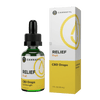
Cannafyl Equine 6000 CBD Drops
Our Equine 6000 Drops provide a highly concentrated full-spectrum CBD formula with naturally occurring cannabinoids, beneficial terpenes, MCT oil, and natural peppermint flavor.
Horse owners appreciate the flexibility of an oil because it can be:
- Added to feed
- Administered orally with the included applicator
- Incorporated into topical applications when appropriate
The concentrated formula allows owners to tailor serving sizes based on their veterinarian's recommendations and their horse's individual needs.
Cannafyl Equine Balance Bites
For horses that prefer treats, or owners who want a quick, convenient option, our Equine Balance Bites deliver 50mg of full-spectrum CBD per soft chew.
These peppermint-flavored bites are ideal for horses needing support during:
- Training sessions
- Trailering
- New environments
- Social situations
- Daily wellness routines
Many owners appreciate how easy they are to administer, no measuring, no mixing, and no chasing a horse around the pasture.
Choosing a Quality CBD Product for Your Horse
Not all CBD products are created equally.
As CBD has become more popular in both human and animal wellness, the marketplace has become crowded with products that vary widely in quality, cannabinoid content, and manufacturing standards.
When choosing a CBD product for your horse, quality matters just as much as the amount of CBD listed on the label.
Look for These Quality Standards
Third-Party Laboratory Testing
Every batch should be independently tested to verify:
- CBD potency
- Cannabinoid profile
- THC levels
- Heavy metals
- Pesticides
- Residual solvents
- Mold and microbial contamination
Independent testing gives horse owners confidence that they're providing exactly what the label promises.
Full Spectrum Hemp Extract
Full-spectrum hemp contains naturally occurring cannabinoids, terpenes, flavonoids, and other plant compounds working together.
Researchers continue studying what is often called the entourage effect—the theory that these naturally occurring compounds may work together differently than isolated CBD alone.
CO₂ Extraction
CO₂ extraction remains the gold standard for producing premium hemp extracts.
This method avoids harsh chemical solvents while preserving delicate cannabinoids and terpenes.
USA-Grown Hemp
The source of hemp matters.
United States growers operate under strict agricultural regulations regarding cultivation and testing.
Knowing where your horse's CBD originates provides another level of confidence.
Transparent Ingredients
Choose products with ingredients you recognize.
Premium equine CBD products should avoid unnecessary fillers, artificial colors, or questionable additives.
At Cannafyl, we formulate our equine products with carefully selected ingredients that complement the hemp extract rather than overshadow it.
Finding the Right Amount for Your Horse
One of the most common questions horse owners ask is:
"How much CBD should I give my horse?"
The honest answer is that there isn't a universal serving size.
Every horse is different.
Factors that influence the ideal amount include:
- Body weight
- Age
- Activity level
- Overall health
- Individual metabolism
- Reason for use
- Veterinary recommendations
Many owners begin with a conservative amount and gradually adjust while monitoring their horse's response.
This "start low and go slow" approach is commonly recommended by veterinarians familiar with cannabinoid use.
If your horse has an existing medical condition or is taking prescription medications, always consult your veterinarian before introducing CBD.
Frequently Asked Questions
Will CBD make my horse "high"?
No.
Properly manufactured hemp-derived CBD products contain less than 0.3% THC and are non-intoxicating.
CBD does not produce the psychoactive effects associated with marijuana.
Can I give CBD every day?
Many horse owners choose to include CBD as part of their horse's daily wellness routine.
Current research suggests CBD is generally well tolerated, but your veterinarian should help determine the best schedule for your individual horse.
Can I use CBD before trailering?
Many owners use CBD before transportation, veterinary visits, or new environments.
While research continues, early studies suggest CBD may help support a normal stress response in some horses.
Can senior horses use CBD?
Senior horses are among the most common candidates for CBD supplementation.
Many owners incorporate CBD into broader wellness plans designed to support comfort, mobility, and quality of life.
Can performance horses use CBD?
Always review the rules of your governing equestrian organization.
Some organizations prohibit cannabinoids during competition, even if the product is hemp-derived.
Why Horse Owners Choose Cannafyl
Horse owners trust Cannafyl because we believe quality begins long before the product reaches the bottle.
Our commitment includes:
USA-grown hemp
✔ Full Spectrum cannabinoids
✔ CO₂ extraction
✔ Third-party laboratory testing
✔ Premium ingredients
✔ Small-batch manufacturing
✔ Transparent labeling
Whether you choose our Equine 6000 CBD Drops or Equine Balance Bites, you'll know exactly what you're giving your horse.
Because your horse deserves nothing less.
Final Thoughts
Every horse is unique.
Some are high-performance athletes.
Some are trusted trail partners.
Others have spent decades faithfully carrying us through life's adventures.
No matter where your horse is in life, supporting long-term wellness is one of the greatest gifts we can provide.
Research into equine CBD continues to expand, and while scientists still have much to learn, the evidence continues to point toward CBD's potential role in supporting recovery, mobility, comfort, and emotional balance when used responsibly and under veterinary guidance.
CBD should never replace appropriate veterinary care, but it may become a valuable addition to a comprehensive wellness program focused on helping horses live healthier, more comfortable lives.
At Cannafyl, we're proud to support horse owners with premium hemp-derived CBD products crafted with the same care and dedication you give your horse every day.
Because when our horses feel their best, they give us their very best in return.
Updated References (2024–2026)
I recommend replacing the older reference section with these newer sources:
- Frontiers in Veterinary Science (2024). Cannabinoids and Equine Osteoarthritis. https://www.frontiersin.org/journals/veterinary-science/articles/10.3389/fvets.2024.1496473/full
- Frontiers in Veterinary Science (2026). Current Evidence for Cannabinoids in Equine Medicine. https://www.frontiersin.org/journals/veterinary-science/articles/10.3389/fvets.2026.1813917/full
- Kentucky Equine Research. Evaluating the Impact of CBD on Equine Joint Inflammation. https://ker.com/equinews/osteoarthritis-pain-in-horses-controlled-by-cbd-and-related-products/
- PubMed Central. Cannabidiol and Equine Health: Current Research Review. https://pmc.ncbi.nlm.nih.gov/articles/PMC10876772/